



group-of-men-talking-774w
Manchester, UK,
23
July
2026
|
11:02
Europe/London
Advances in X-Ray Imaging Workshop June 2026
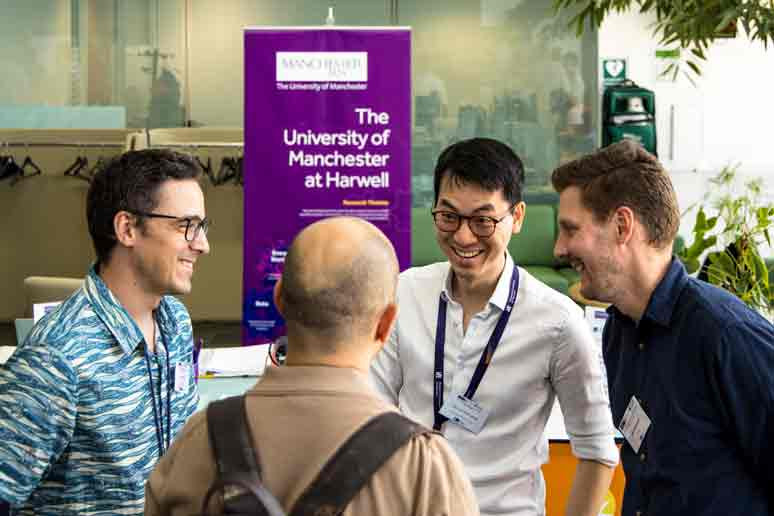
The annual workshop on Advances in X-ray imaging ran for the ninth time on 23 June 2026 at Harwell, and was, as in previous years, a great success. This collaboration between The University of Manchester at Harwell, 3Dmagination Ltd and the CCPI has been running since 2016, with the aim of bringing together scientists from different fields to discuss developments and applications of X-Ray imaging and complementary techniques, and build international collaborations.
It was fantastic to host scientists from all over the country, from the Universities of Manchester, Oxford, Birmingham, Keele, Leeds, Loughborough, Manchester Metropolitan, Southampton, Sussex, UCL and Imperial, from Belgium, France and Sweden, as well as many of our Harwell colleagues and collaborators from Diamond Light Source, STFC, UKHSA and the Rosalind Franklin Institute.
Speakers
Huge thanks to our excellent speakers who presented a variety of complementary imaging techniques.
- Alexander Rack, The European Synchrotron Radiation Facility
- Diana Caprotti and Daniel Brown, Detector Development Group, Science & Technology Facilities Council
- Biao Cai, University of Birmingham
- Tom Bultreys, University of Ghent
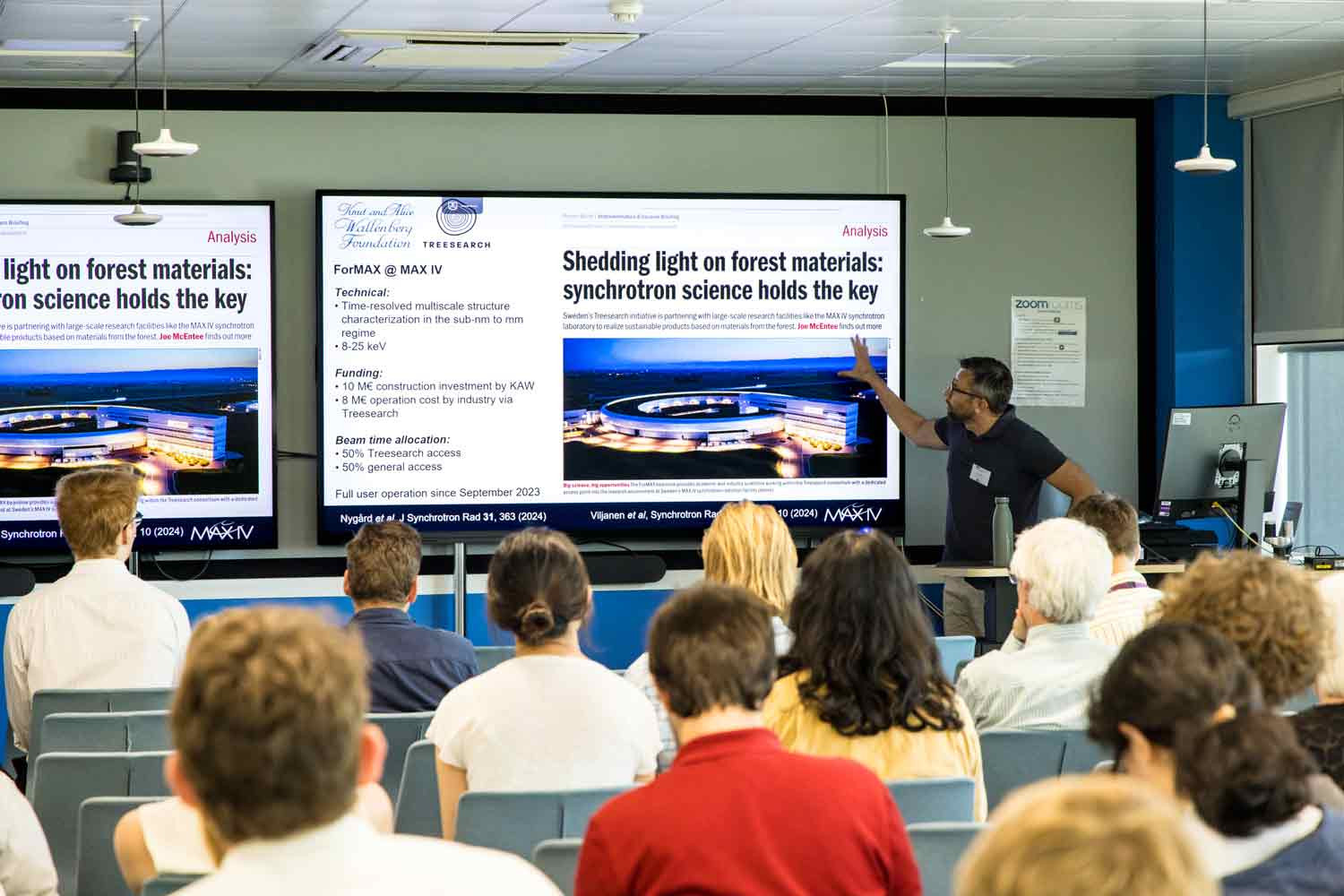
- Kim Nygård, MAX IV Laboratory, Lund University
- Alyx Elder, Manchester Metropolitan University
- Rémy Gauthier, Laboratois MatéIS
- Orestis Katsamenis, University of Southampton.
Workshop topics of conversation
Imaging techniques discussed were ultra-fast synchrotron radiography and tomography imaging, micro-CT combined with SWAXS, 3D X-ray Histology, ultra-high resolution tomography, diceCT, tomography imaging of porous media and molten flows, advances in X-ray imaging detectors that were applied in various applications (battery safety studies, laser welding of metals, fuel injectors, shockwave imaging, crystal growth in molten flows, pore-scale imaging of multiphase fluid flow, bone hierarchical structure, tumour margin determination, foetal post-mortem autopsy, laser-based additive manufacturing, muscle whiskers in pinniped species, elemental chemistry in alloys and uranium quantification).
lecture-1500w-2X
The workshop maintained high engagement all day with fascinating 3D visualisation such as the complex bone canalicular network and impressive 4D animations such as battery failure and hydrogen-brine dynamics. The bottlenecks of analysing such large datasets with different modalities and the importance of taking this into consideration when designing an experiment, was also addressed.
The ability to measure intricate fluid dynamics in porous media using 4D velocimetry was a key advancement. These empirical datasets can significantly improve the accuracy of CFD models and can be extended to study mechanical processes in other domains, such as bone mechanobiology and tissue engineering (bioreactors, scaffolds).
The use of AI and deep-learning techniques to boost data interpretation and identify novel biomarkers in clinical applications look very promising, and it was important to highlight some of the limits such as model hallucination. Because imaging techniques and data analytics are advancing so rapidly, dedicated training programs are increasingly essential to prepare the next generation of scientists.
Posters and poster prizes
poster-winners-1500w-2X
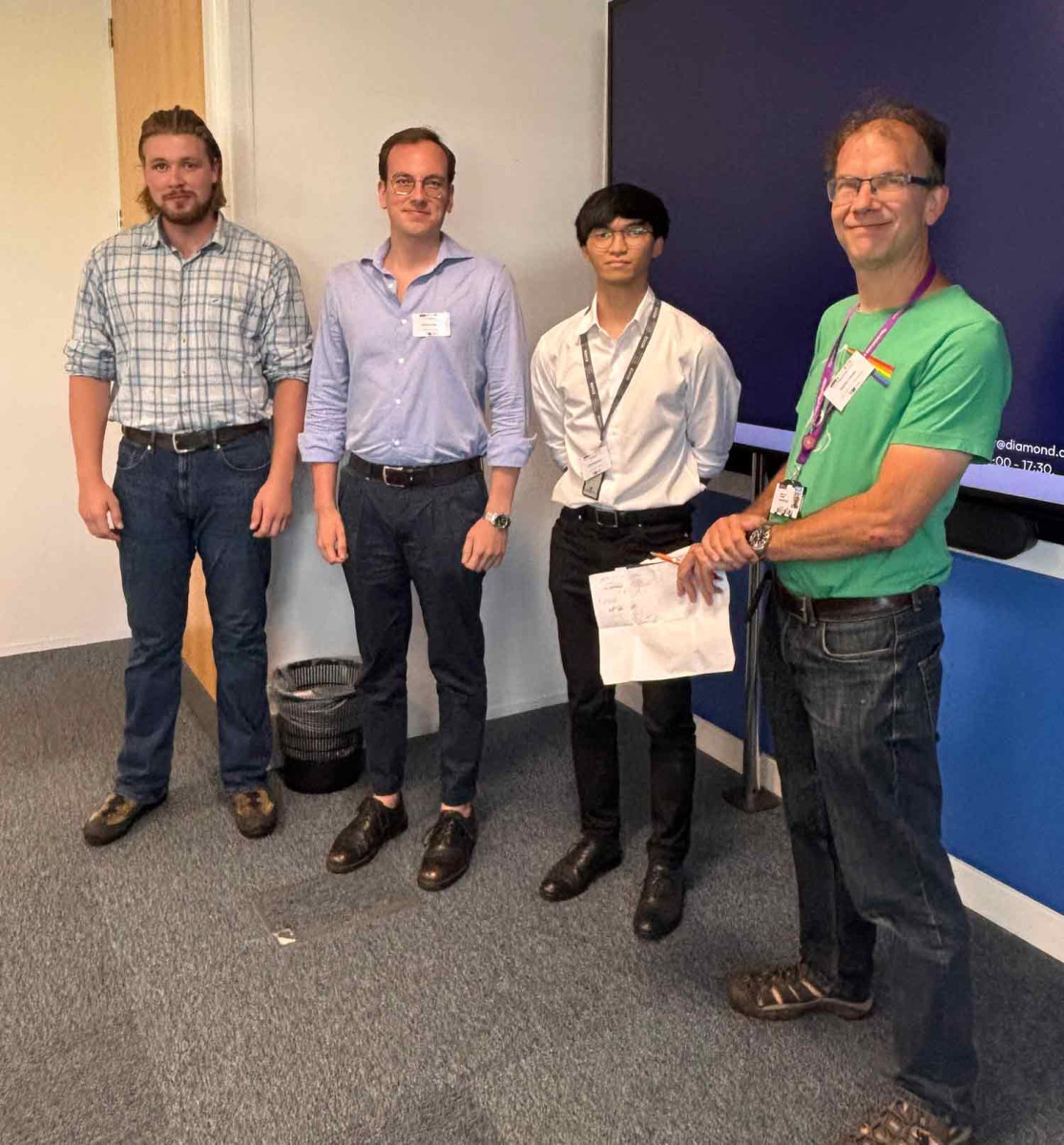
- First prize awarded to Hiiro Moriyama, University of Oxford, ‘Towards Hydrogen Imaging and Mapping in Embrittlement-Susceptible Steels via XAS and Machine Learning’.
- Second prize awarded to Stefano Palazzo, University of Oxford, ‘Investigating interdendritic flow during aluminium alloys solidification using Artificial Intelligence and synchrotron X-ray imaging’.
- Third prize awarded to Callum Cogbill, University of Birmingham, ‘Additive Manufacturing and Advance Materials Testing of 316L & Tungstan LPBF Lattices for Fusion Application.
Thank you to everyone who presented a poster and congratulations to our three winners!
Thank you…
team-1500w
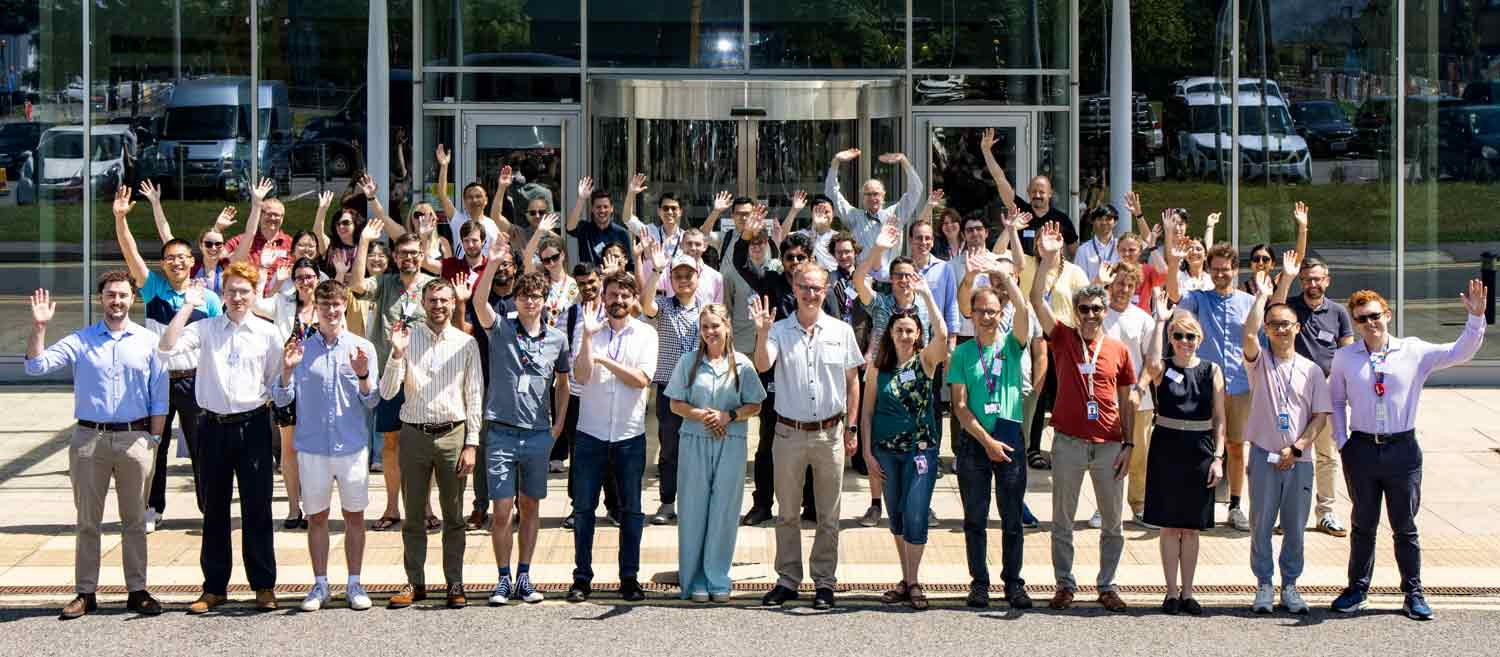
We would like to say a huge thank you to all our speakers, chairs, sponsors and delegates who helped make the conference a success.