



12
October
2026
|
08:35
Europe/London
HCRI’s Decolonial Anthropologist Wins Bloomsbury Pakistan Book Prize
Dr Omer Aijazi, Senior Lecturer in Disasters and Climate Crisis at the Humanitarian and Conflict Response Institute (HCRI), has been awarded the Bloomsbury Pakistan Book Prize for his critically acclaimed monograph, Atmospheric Violence: Disaster and Repair in Kashmir.
Omer Aijazi
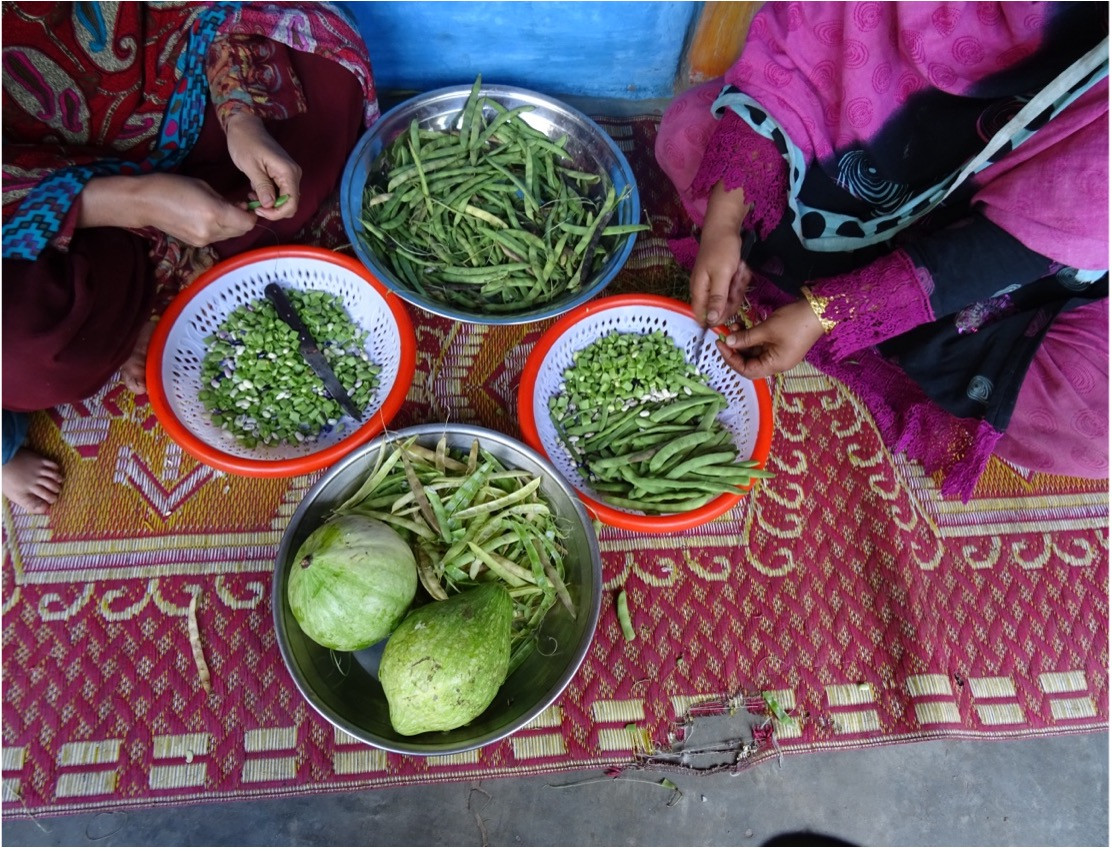
Bowls of food on a colourful blanket
Summary
- Aijazi has been awarded the Bloomsbury Pakistan Book Prize for his monograph, Atmospheric Violence: Disaster and Repair in Kashmir.
- The book is available to read in open access here.
- The book has now received six international accolades.
The Bloomsbury Prize celebrates outstanding scholarship that deepens understanding of Pakistan and South Asia. It recognises academic books that make original contributions to the study of the region’s history, politics, society, economy and culture, while illuminating the lives and experiences of its people.
The prize jury praised Aijazi’s cutting-edge experimentation with scholarly narrative, rooted in deeply compassionate ethnographic research and attentive to the emotional terrain of the disputed territory of Kashmir:
“An ethnography of life in ecologically fragile, militarised borderlands, Atmospheric Violence offers both a methodological and a conceptual innovation, making a compelling case for rethinking how disaster is researched and represented. Instead of framing disaster as rupture, the book foregrounds friendship, kinship, and emotional life as central to recovery. Aijazi combines rich empirical detail with strong theoretical grounding, linking affect and marginality through vivid vignettes from remote valleys in Pakistan-Administered Kashmir.”
Published in 2024 by the University of Pennsylvania Press, Atmospheric Violence has now received six international accolades, underscoring the book’s growing recognition across scholarship on South Asia, disasters, ethnography and social justice.
In the book, Aijazi challenges conventional approaches that treat disasters as isolated catastrophic events or moments of direct physical trauma. Instead, he conceptualises violence as an omnipresent condition, an ambient “atmosphere” woven into everyday life alongside military checkpoints, no-go zones and fractured landscapes. Against this backdrop, the book foregrounds the everyday practices of friendship, kinship, care and repair through which people make life possible amid ongoing violence.
The book is available to read open access here.