



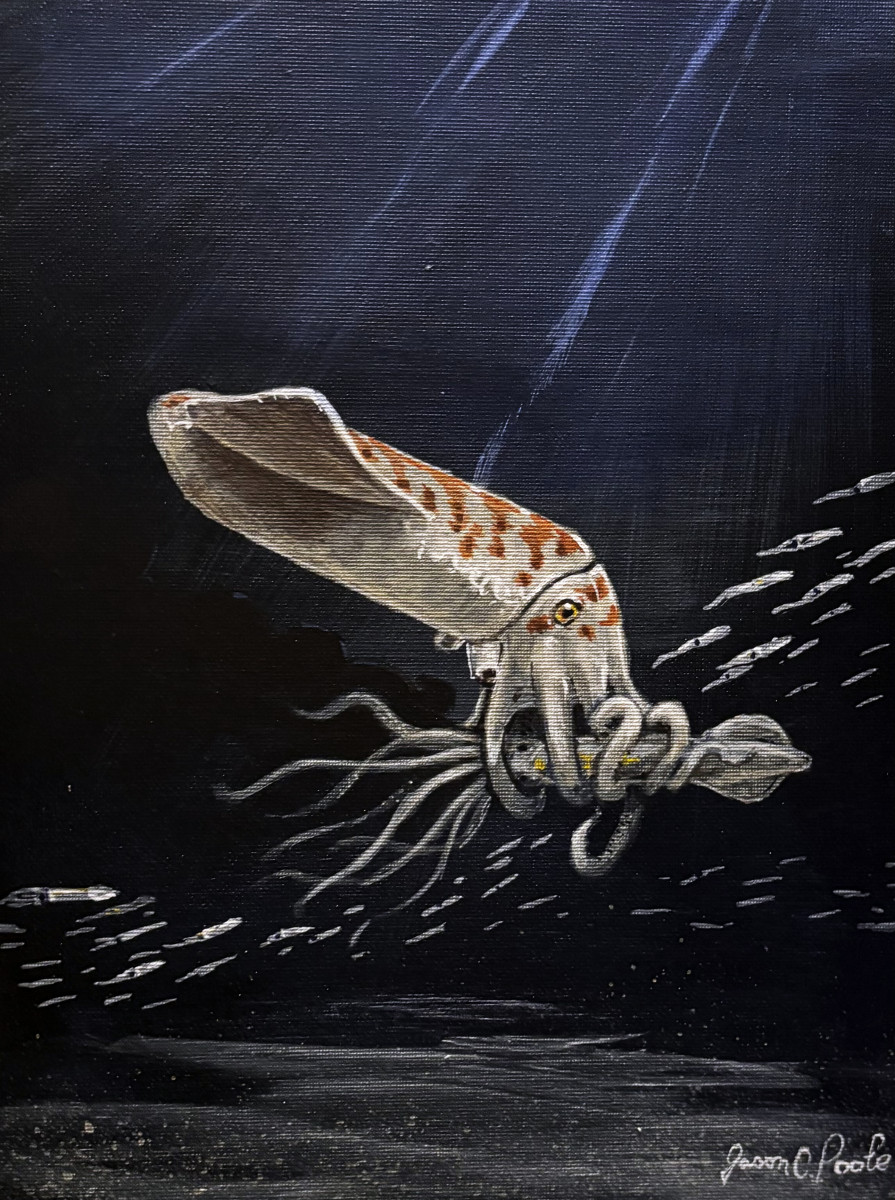
Illustration of Wyoteuthis linsterorum by Jason Poole © Courtesy of Jessica Lippincott
10
September
2026
|
01:00
Europe/London
“Peculiar” new species of Jurassic squid found in Wyoming
- Researchers have identified a new species of Jurassic squid-like animal from 160-million-year-old fossils
- CT scanning showed it belongs to an ancient branch of belemnites thought to have disappeared much earlier, making the discovery exceptionally rare.
- The new species, Wyoteuthis linsterorum, is the "chunkiest" belemnite ever found, with a skeleton far broader than any previously known.
- A “peculiar” new species of Jurassic squid-like animal has been unearthed in Wyoming, USA, following the discovery of two exceptionally rare fossils dating back around 160 million years.
A “peculiar” new species of Jurassic squid-like animal has been unearthed in Wyoming, USA, following the discovery of two exceptionally rare fossils dating back around 160 million years.
The newly named species, Wyoteuthis linsterorum, has been identified as a type of ancient cephalopod, called a belemnite, cousins of modern squid and octopus. They say unusually thick, barrel-shaped skeleton makes it the "chunkiest” or “fattest" belemnite ever discovered.
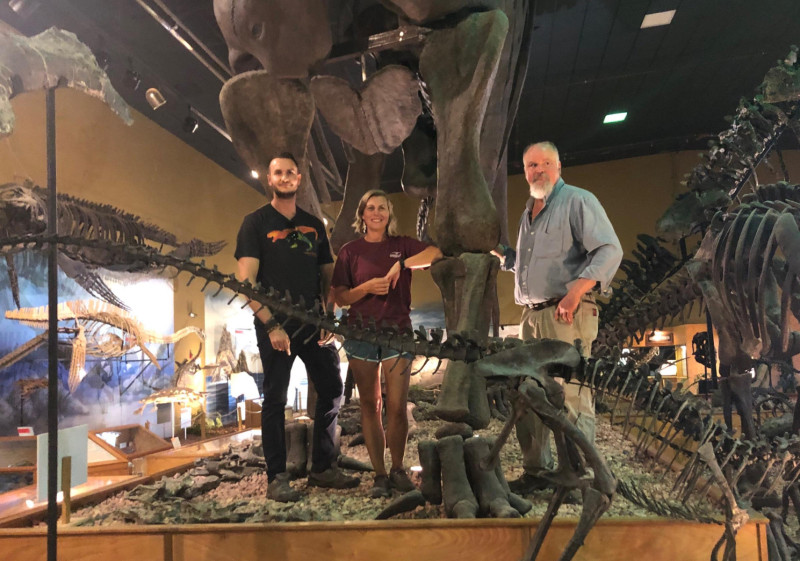
An international team of researchers from the USA, UK and New Zealand, including Dr Dean Lomax, Honorary Research Fellow at The University of Manchester, describe the discovery in the journal Papers in Palaeontology today.
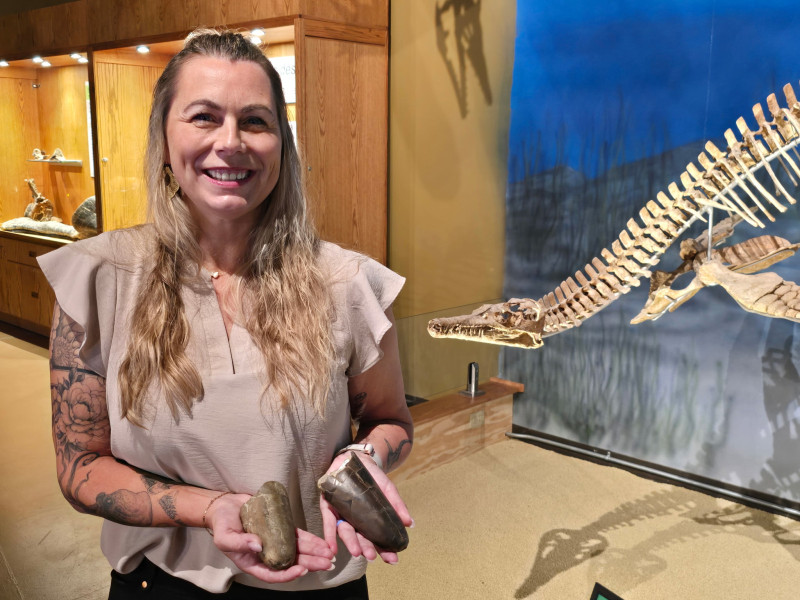
Belemnites are among the most common fossils found worldwide and are recognised by their bullet-shaped remains, known as a rostrum or guard. Millions have been discovered in Wyoming's Sundance Formation, an ancient inland sea that once covered the western USA.
Co-author and Wyoming palaeontologist, Jessica Lippincott, said in Wyoming, they are nicknamed “squid butts”.
The chunkiest belemnite ever discovered
Most Wyoming belemnites are bullet-shaped measuring around 5 to 10 centimetres long and only 1 to 2 centimetres wide. By contrast, the newly discovered species had an unusually broad, barrel-shaped rostrum around 10 centimetres long but up to six centimetres wide, making it the thickest belemnite ever recorded.
Researchers estimate the living animal would have reached around 60 centimetres in total length including its arms.
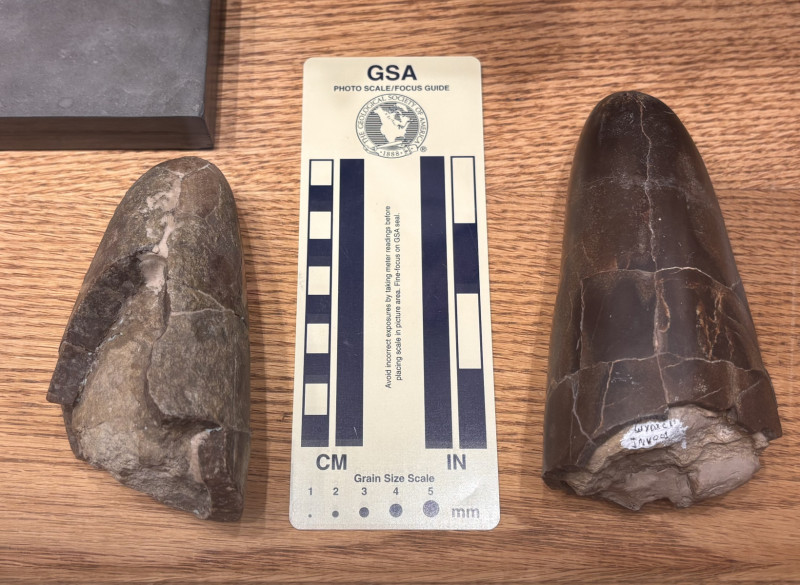
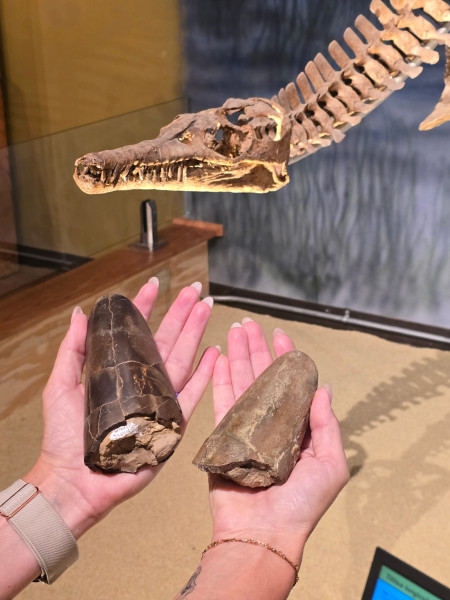
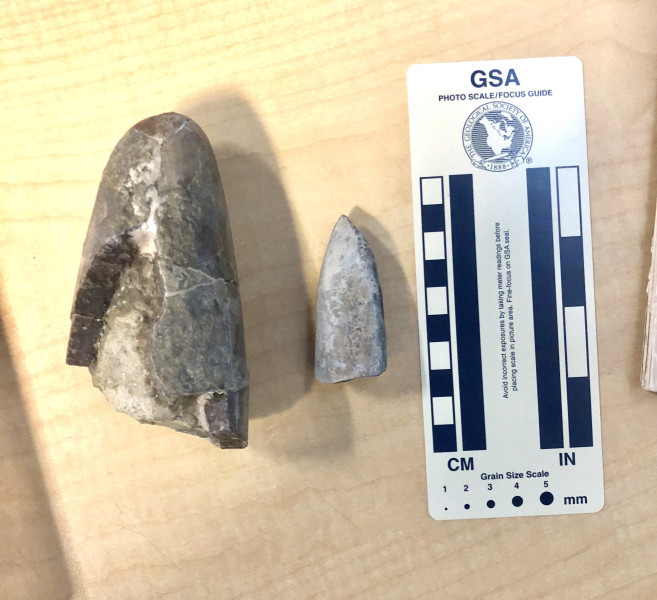
The work was instigated by Wyoming palaeontologist and co-author Bill Wahl, who has spent much of his career searching for fossils in Wyoming and said this belemnite “stuck out like a sore thumb”. He brought together an international team of researchers to investigate the remarkable specimens, including belemnite expert Alexey Ippolitov, now at Victoria University of Wellington, New Zealand.
Using computed tomography (CT) scanning, the team were able to examine the fossils without damaging them, revealing internal features that confirmed the animal belonged to an ancient family of belemnites previously thought to have disappeared millions of years earlier.
PhD student, Ippolitov said he was "deeply surprised" to discover a fossil from such a well-studied group that differed so radically from anything previously known. After more than 200 years of palaeontological research on belemnites, he said, discoveries like this are exceptionally rare.
Ippolitov explains: “A possible explanation is that their relatively large size gave them an advantage when hunting co-occurring smaller belemnites of the genus Pachyteuthis. Modern squid, after all, are hardly picky when it comes to prey: they readily hunt not only other species of cephalopods, but sometimes even their own kind.”
30 years in the making
The discovery was almost 30 years in the making. The first specimen was unearthed in the late 1990s by Dr Burkhard Pohl, founder of the Wyoming Dinosaur Center, after he spotted a belemnite much bigger than any he had seen before. The fossil sat unstudied in the museum's collection draw for many years until a second specimen was discovered by fossil collector Cliff Linster near Ten Sleep, Wyoming, and donated to the Wyoming Dinosaur Center in 2019. Together, the two fossils provided the evidence needed to identify and formally describe the new species.
Honouring a fossil collector's legacy
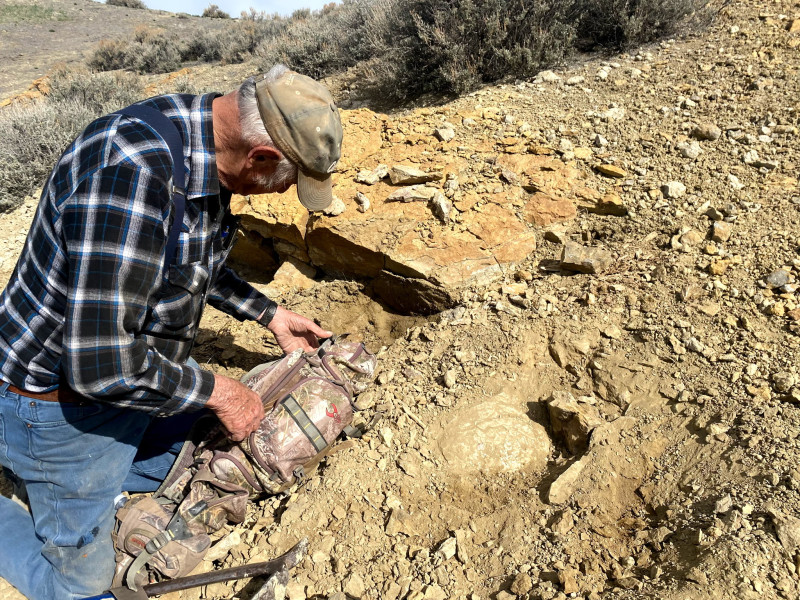
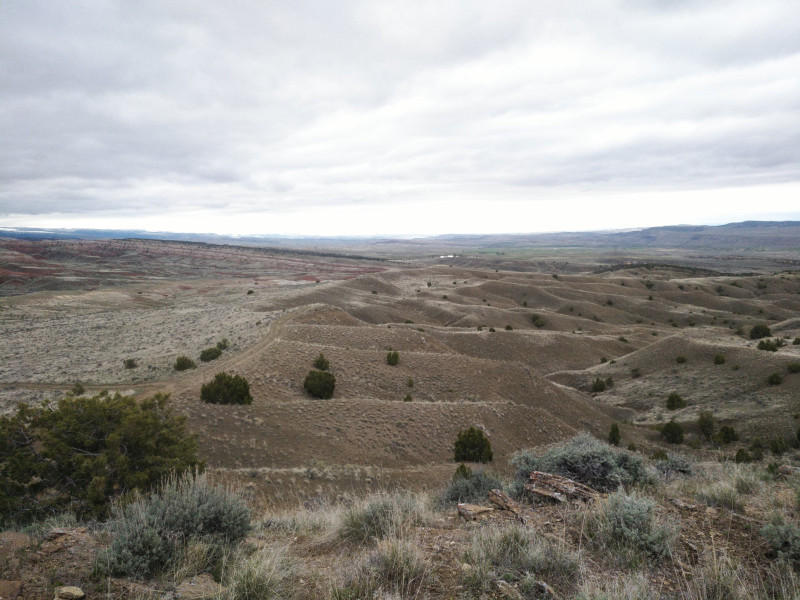
The name Wyoteuthis translates to “a squid from Wyoming”, while the species name, linsterorum, honours Cliff Linster and his family. Cliff discovered one of only two known specimens of the new species and donated it for scientific study.
Co-author and Wyoming palaeontologist, Jessica Lippincott, said: “After spending years fossil hunting in Wyoming and collecting countless fossils of the common Pachyteuthis belemnites here in Wyoming, this one is unlike anything I have ever seen! It goes to show that we are still finding new species of fossils all the time, and people who rockhound or collect invertebrate fossils can also contribute to science.”
Cliff Linster passed away in June this year. He knew researchers were studying his remarkable discovery and was excited to see it formally described. The Linster family are no strangers to finding amazing fossils, perhaps most famously the dinosaur Bambiraptor.
Co-author and British palaeontologist, Dr Dean Lomax, an Honorary Research Fellow at The University of Manchester and an 1851 Research Fellow at the University of Bristol, in the UK, dug up dinosaurs with Cliff and his wife, Sandy, when he was a teenager. He said: “I met Cliff and Sandy in 2009, when I spent a week digging up a dinosaur bonebed on their property in northern Montana. I have fond memories of that dig, listening to Cliff share his passion for fossils, including this belemnite. I’m honoured to help name this fossil after Cliff. It’s bittersweet that he didn’t get to see it published, but it’s wonderful that we can immortalise him and his family name in the history of palaeontology. The find is incredibly rare, which might be due to some ecological adaptations to the environment at the time. Perhaps its rarity is a result of narrow specialization.”
Dr Lomax is also the author of the recently published book, “The Secret Lives of Dinosaurs”, which highlights Wyoming fossils, and he has spent time collecting fossils and excavating plesiosaurs and ichthyosaurs in Wyoming’s Sundance Formation.
Both specimens are on display at the Wyoming Dinosaur Center in Thermopolis, Wyoming USA.
Publication details
The new study has been published in the international journal, Papers in Palaeontology.