



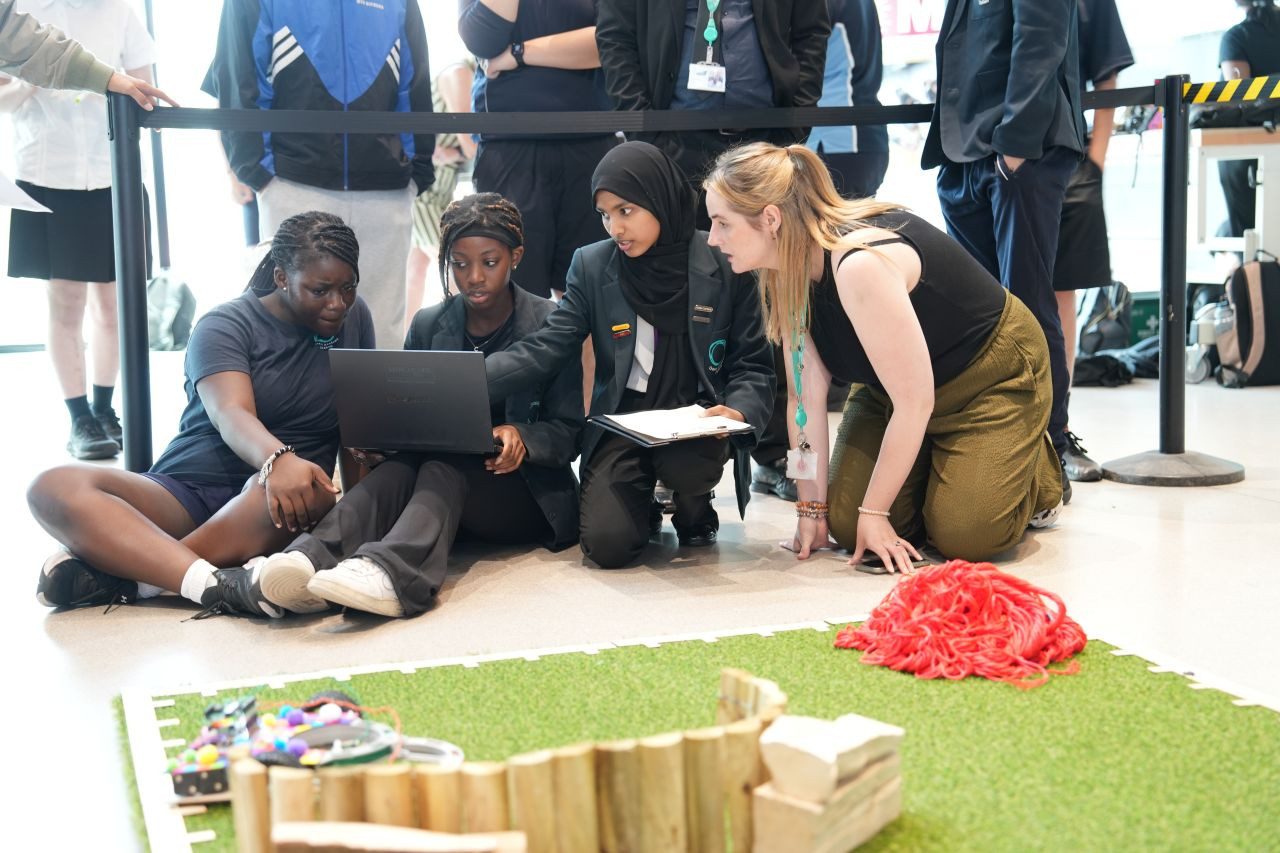
Minesweeper challenge
14
September
2026
|
09:43
Europe/London
Greater Manchester pupils put engineering skills to the test in Manchester Minesweeper challenge
Boilerplate
- Greater Manchester pupils built and competed with their own mine-detecting robots.
- The four-week engineering challenge inspired by real University of Manchester research into electromagnetic sensing.
- Undergraduate engineering students mentored participating school teams.
- The competition aims to inspire future STEM careers and gives pupils hands-on experience of real-world engineering problems.
- Secondary school pupils from across Greater Manchester have designed, built and competed with their own mine-detecting robots in The University of Manchester's annual Manchester Minesweeper competition, sponsored by the Institute of Measurement Control (InstMC) Central Northwest Section.
Secondary school pupils from across Greater Manchester have designed, built and competed with their own mine-detecting robots in The University of Manchester's annual Manchester Minesweeper competition, sponsored by the Institute of Measurement Control (InstMC) Central Northwest Section.
The challenge, now in its third year, saw teams of Year 10 and 11 pupils spend four weeks developing metal-detecting robotic systems before returning to the University's Nancy Rothwell Building for a series of live detection challenges.
The competition is inspired by research carried out by the University's electromagnetic sensing team and gives young people hands-on experience of electronics engineering while highlighting the real-world challenge of detecting buried landmines and other hidden objects underground. It also aims to inspire more young people to consider careers in science, technology, engineering and mathematics (STEM).
Teams started with an introductory workshop in June, where they received their robot kits and took part in practical engineering sessions, careers talks and got the chance to meet and ask questions to professionals from across the electrical engineering sector. They were then paired with University of Manchester undergraduate mentors, who visited their schools to help guide teams through the design and build process.
The competition culminated in a final event on 14 July, with pupils putting their creations to the test in a series of practical arena challenges designed to assess their detection and engineering skills.
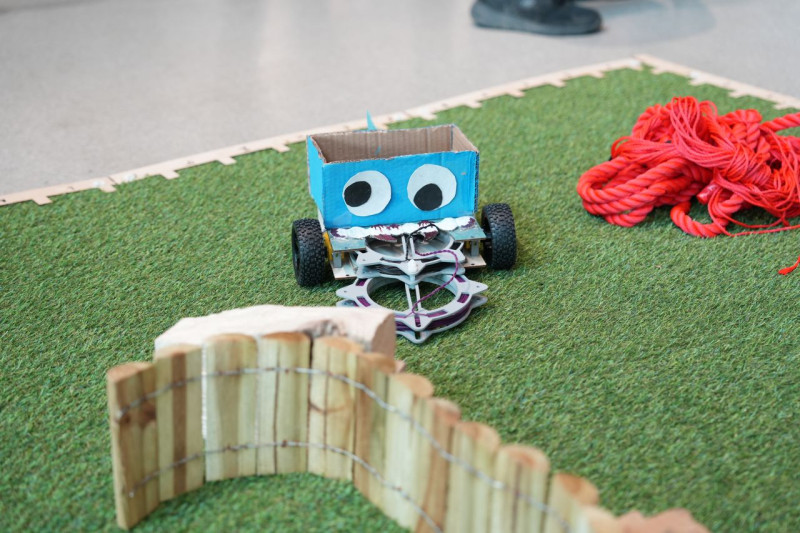
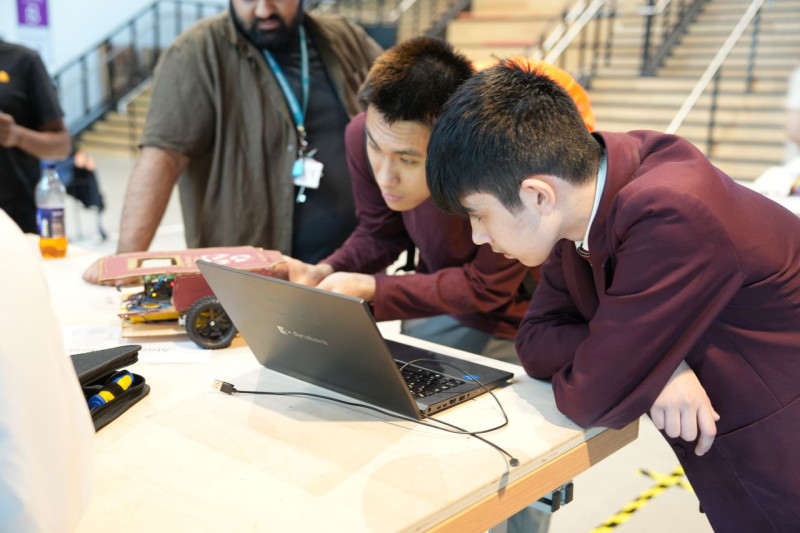
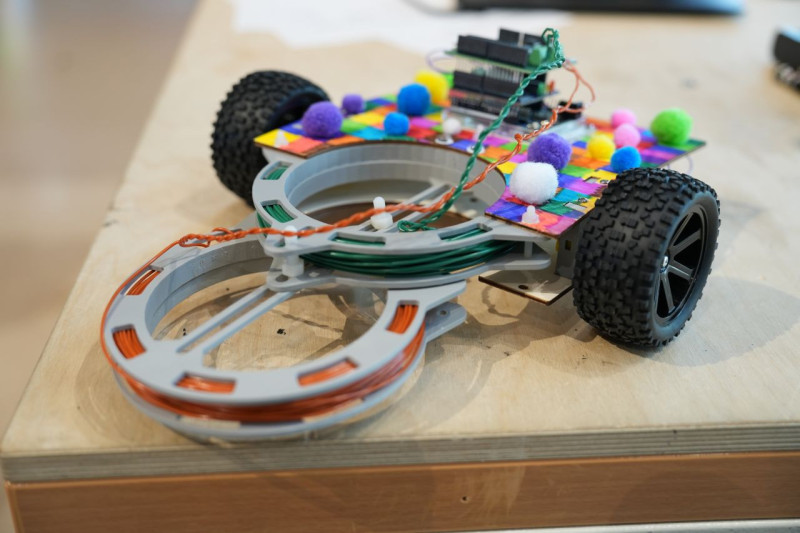
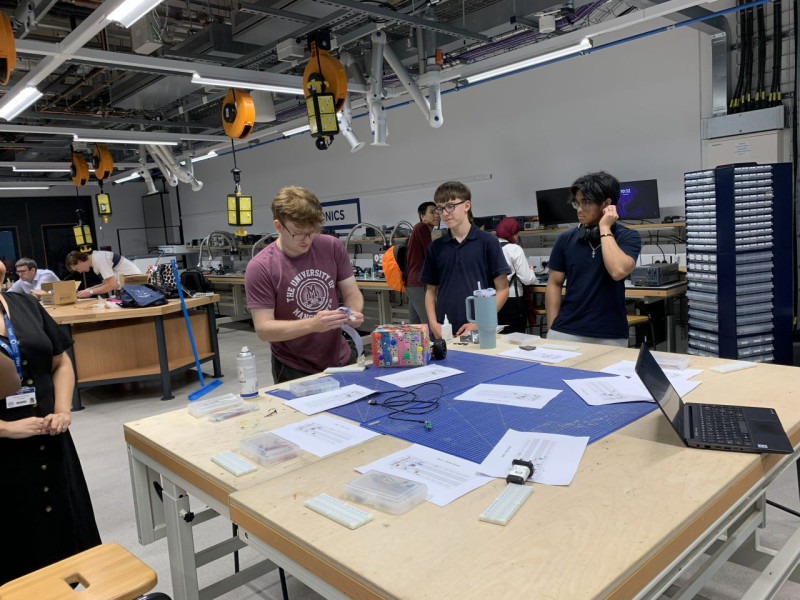
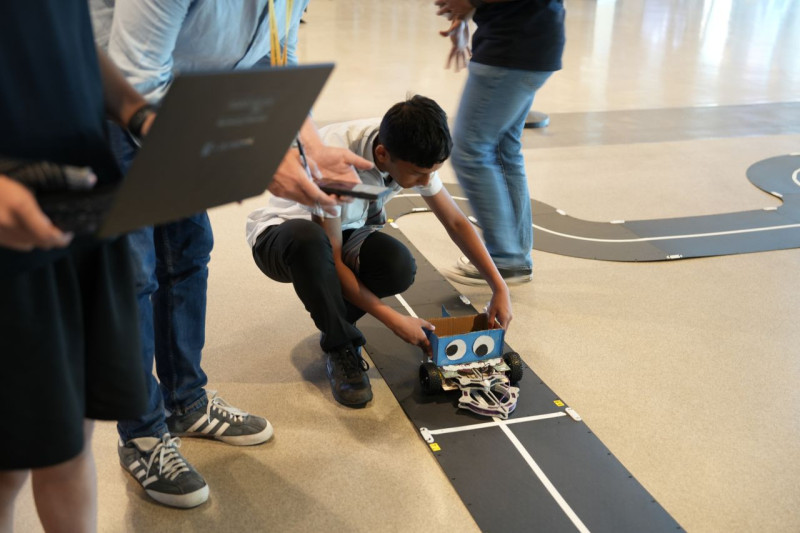
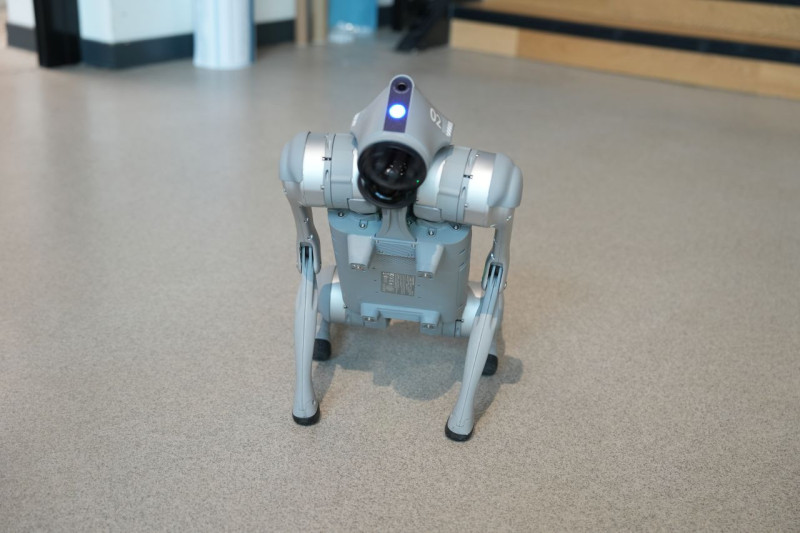

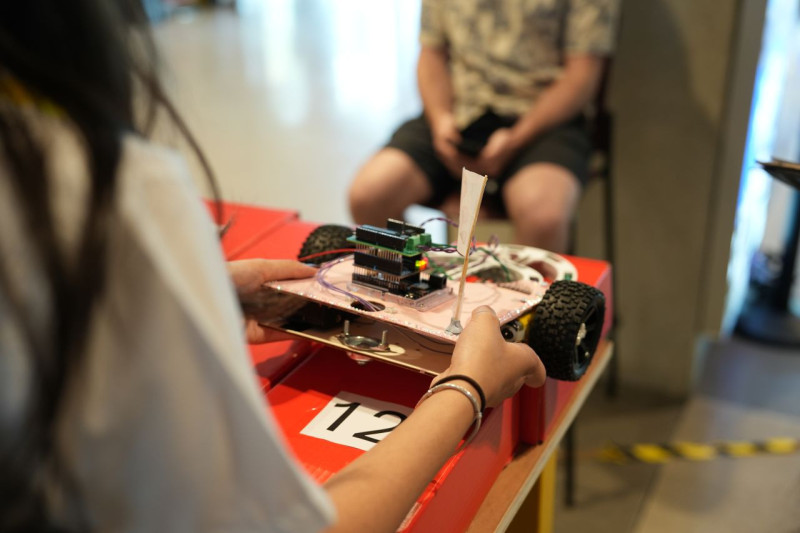
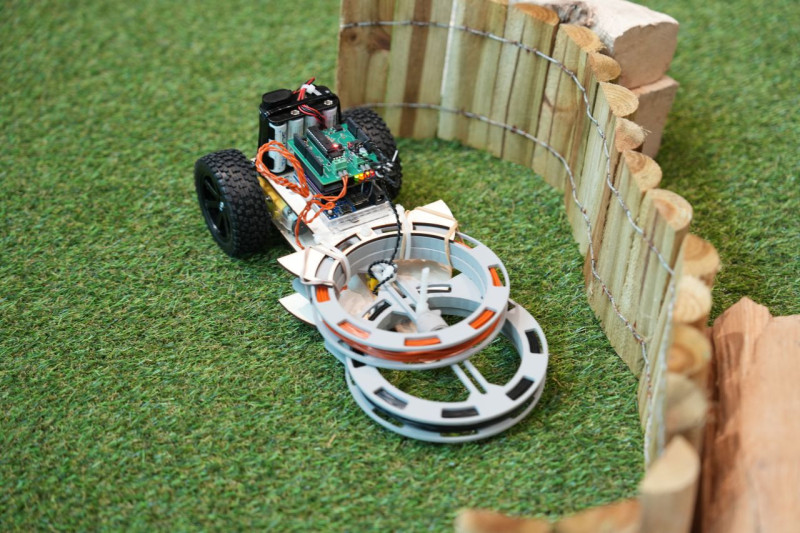
Co-op Academy Swinton took first place overall. St Ambrose Barlow RC High School were named runners-up and Chorlton High School South received the award for ‘Best Presentation’, all receiving specially engraved trophies.
Competition led, Dr Michael O’Toole said: “Manchester Minesweeper challenge gives pupils the chance to take on a genuine engineering challenge and build something that works in the real world.
“Over the course of four weeks, they learn about electronics, problem-solving, teamwork and design, while working alongside current engineering students who help them develop their ideas and gain confidence that university and a career in STEM could be within their reach."
InstMC Vice-President Dave Green said: “It's incredibly rewarding to see the creativity, determination and technical skills that the teams develop, and we hope the experience encourages some of them to consider studying engineering or another STEM subject in the future.”
The initiative was originally established with support from a Royal Academy of Engineering Ingenious award. For the first time this year, it was supported by leading local engineering businesses through the sponsorship of the Institute of Measurement Control (Central Northwest), Endress+Hauser, Technical Partners, and Tetra Tech Consulting, whose representatives joined the final event and helped judge the competition.