



The University of Manchester joins leading UK biofoundries to accelerate engineering biology innovation
The University of Manchester has joined four leading UK research organisations to launch a national biofoundry network, bringing together expertise and cutting-edge technologies to accelerate advances in engineering biology.
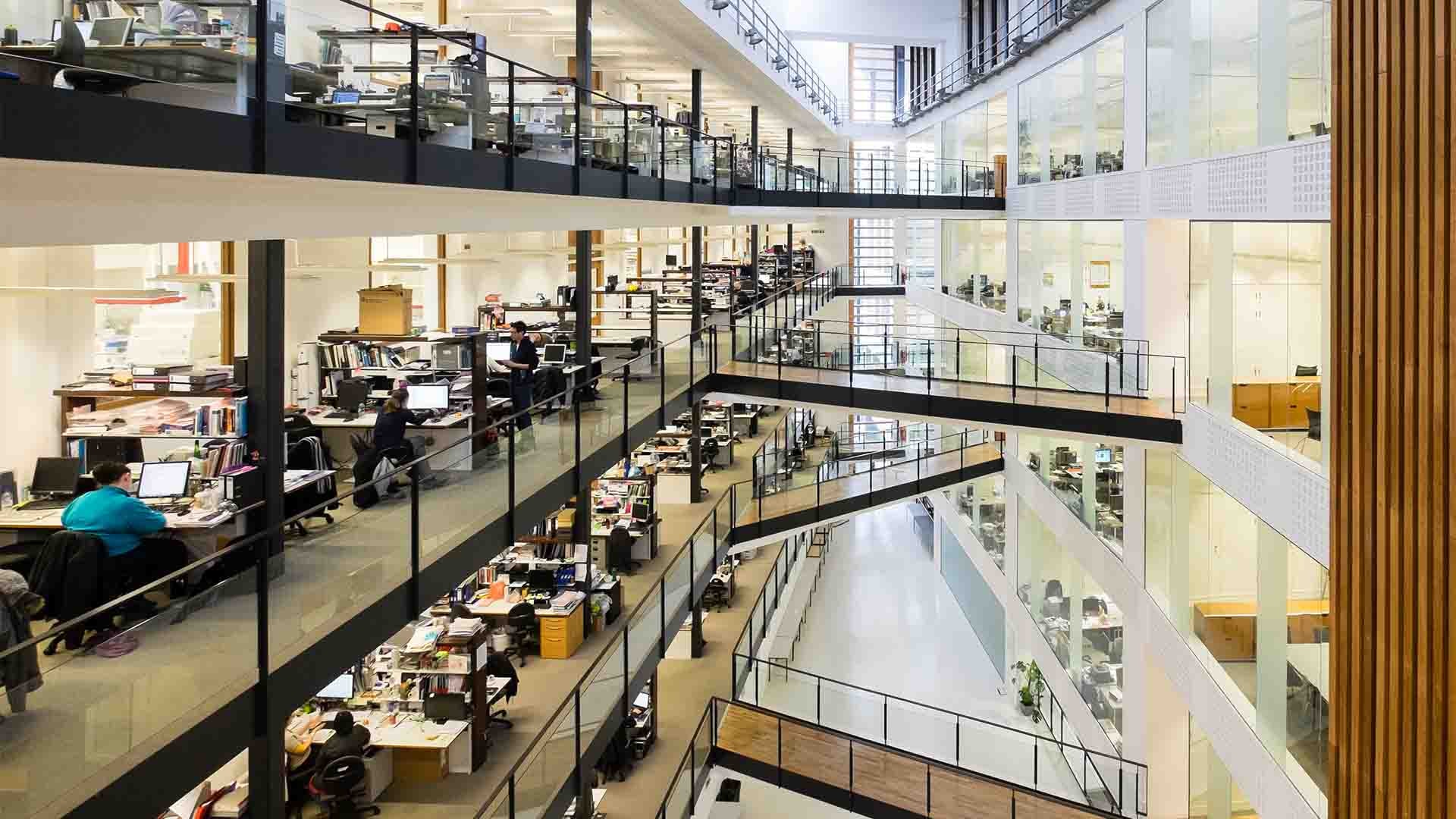
mib-interior
Summary
- The University of Manchester joins four leading UK biofoundries in a new national network to strengthen the UK's engineering biology capabilities
- The network will bring together expertise in automation, robotics and biological engineering to accelerate research and innovation
- Collaboration will support the development of sustainable technologies, from alternative foods and new materials to medicines and cleaner manufacturing processes
Partners will share expertise, develop common standards and strengthen links between researchers and industry to support economic growth
The University of Manchester has joined forces with four of the UK's leading biofoundries to launch a new national network aimed at accelerating innovation in engineering biology and strengthening the UK's position as a global leader in the field.
The new UK Biofoundry Network brings together specialist facilities at The University of Manchester, the Earlham Institute, Imperial College London, the University of Edinburgh and the National Physical Laboratory (NPL).
By combining their expertise, technologies and research capabilities, the five organisations aim to make it easier for researchers and industry to develop biological solutions to some of society's biggest challenges, including climate change, sustainable manufacturing, food security and healthcare.
Harnessing biology to develop new technologies
Engineering biology involves designing and modifying biological systems, such as cells and microorganisms, to perform useful functions. It has the potential to transform how products are made, enabling more sustainable ways to produce everything from medicines and food ingredients to chemicals, fuels and materials.
Biofoundries play a central role in this process. Operating much like automated production lines, they combine robotics, advanced laboratory technologies and data analysis to speed up the design, construction and testing of biological systems.
By automating processes that would traditionally require extensive manual laboratory work, biofoundries can help researchers develop and test new ideas more quickly, reliably and efficiently.
The Manchester Biofoundry brings expertise in industrial biotechnology, supporting research into how biological processes can be used to develop more sustainable chemicals, materials, food products and other manufactured goods.
“
“Biofoundries have a critical role in turning advances in engineering biology into scalable technologies that deliver economic, environmental and societal value. Through this network, the Manchester Biofoundry will work with complementary facilities across the UK to connect researchers and industry with shared expertise, automated workflows and best practice. Together, we can accelerate the development of more sustainable routes to chemicals, materials, food and other biomanufactured products, while strengthening the UK’s position as a global leader in engineering biology.”
Professor Neil Dixon, Co-Director of the Manchester Biofoundry at The University of Manchester
„

Building a stronger national research network
Each of the five partner organisations brings specialist expertise that will contribute to the network's shared ambitions.
The biofoundries at Manchester, Imperial College London and the Earlham Institute bring complementary strengths in industrial biotechnology, biomaterials, alternative foods, plants and agricultural technologies. The Edinburgh Genome Foundry adds expertise in DNA-based solutions for human health and therapeutics, while the National Physical Laboratory specialises in measurement and standards, helping ensure research results can be reliably reproduced and compared across laboratories.
Working together, the partners will develop new technologies and research methods, establish shared standards and best practice, and support training and skills development in engineering biology.
The network will also coordinate UK participation in international research programmes and partnerships, while providing a clearer picture of the country's engineering biology capabilities to researchers, businesses and government.
Accelerating innovation and economic growth
The launch comes as advances in artificial intelligence, automation and biological engineering create new opportunities to develop biotechnology applications more efficiently and at greater scale.
Biofoundries are increasingly important in generating the large volumes of high-quality biological data needed to support these advances, helping researchers better understand and predict how engineered biological systems will behave.
By connecting the UK's leading facilities, the network aims to accelerate the translation of scientific discoveries into practical technologies that can be adopted by industry.
The partnership's shared objectives, established through a five-party Memorandum of Understanding, include strengthening national research infrastructure, supporting innovation and helping businesses access the expertise needed to develop new products and processes.
The network aims to establish the UK as a leading destination for biofoundry-enabled research and innovation, turning the country's strengths in engineering biology into environmental, societal and economic benefits.
Find out more about the UK Biofoundry Network here: https://uk-biofoundries.vercel.app