



16
November
2026
|
09:08
Europe/London
Festival of Social Science brings research into everyday life across Greater Manchester
The ESRC Festival of Social Science has drawn to a close after three weeks of free events that brought university research together with communities across Greater Manchester to explore money, inequality, and the pressures shaping everyday life.
The ESRC Festival of Social Science returned to Greater Manchester from 17 October to 7 November 2026, with this year’s programme exploring the theme of Money, Finance and the Cost of Living through a varied programme of free public events.
The 2026 Festival also marked 10 years of partnership between The University of Manchester, Manchester Metropolitan University and the University of Salford, celebrating a decade of collaboration to connect social science research with communities across Greater Manchester.
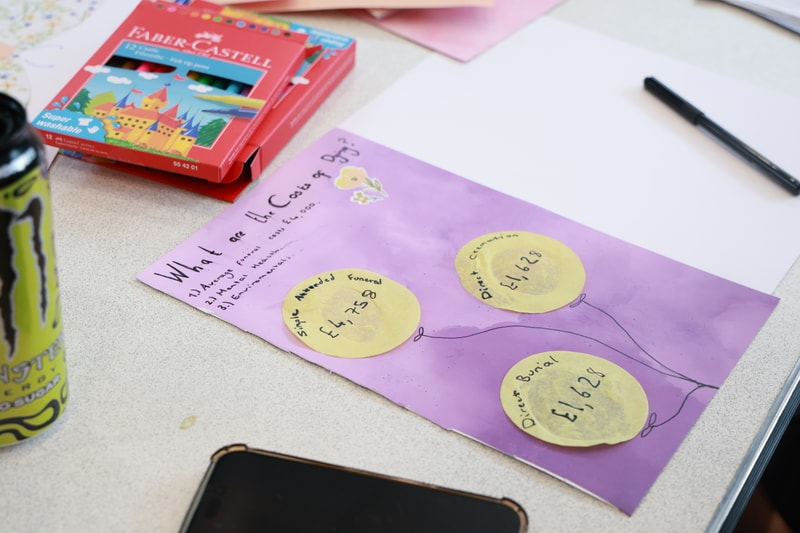
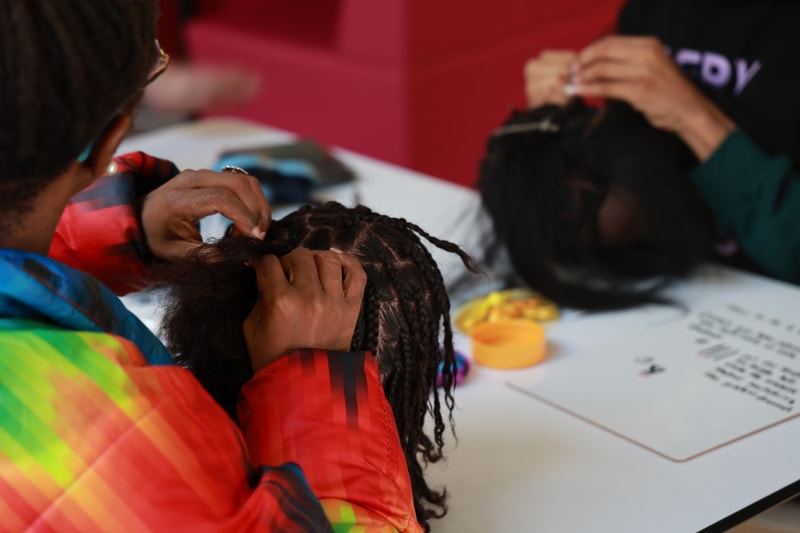
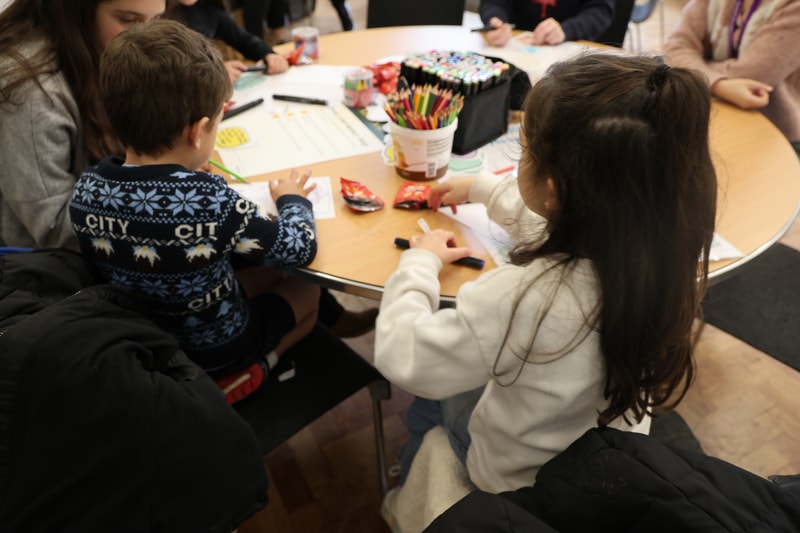
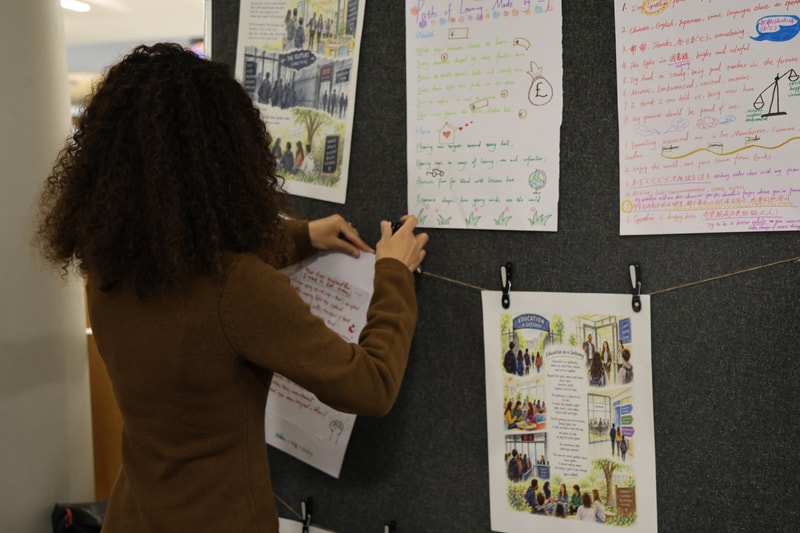
Across the programme, researchers tackled questions that affect people at every stage of life, from how children understand money and fairness to how young families can build financial confidence, and the financial costs of bereavement. Events also used a range of creative methods to spark conversations about these big topics.
This year’s Festival showcased social science through a diverse programme of events designed to make research accessible and relevant, with the theme centred on the cost-of-living crisis. It provided the public with a space to approach and talk openly about money without judgement, whilst being presented with research to help them.
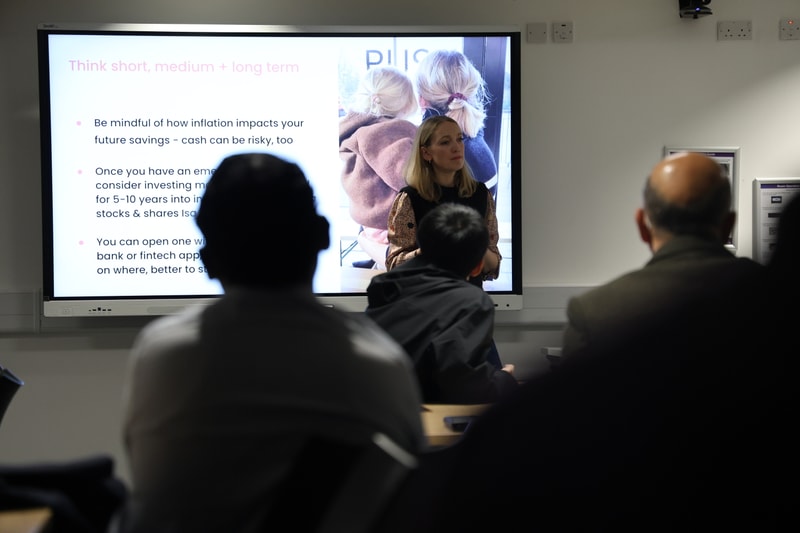
At Everyday Money Mistakes, And How to Avoid Them, visitors heard from finance experts and were encouraged to ask the money questions people can sometimes feel uncomfortable asking. Joined by award-winning journalist Laura Whateley, the session covered everything from credit scores and debt to budgeting and financial confidence.
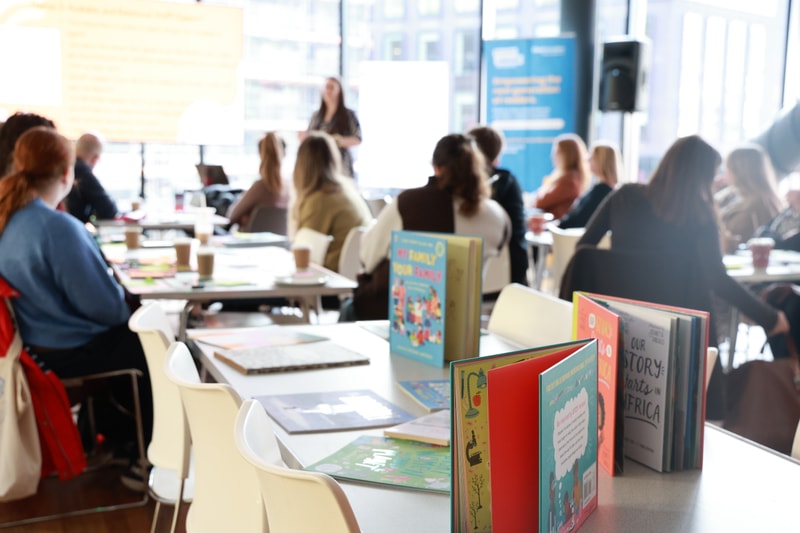
Seeing Yourself in Stories was another event held at HOME, run by researchers from the University of Manchester and representatives from One Education's educational psychology and literacy services, for a practical workshop exploring how representation and inclusive literature can inspire children and young people to read more.
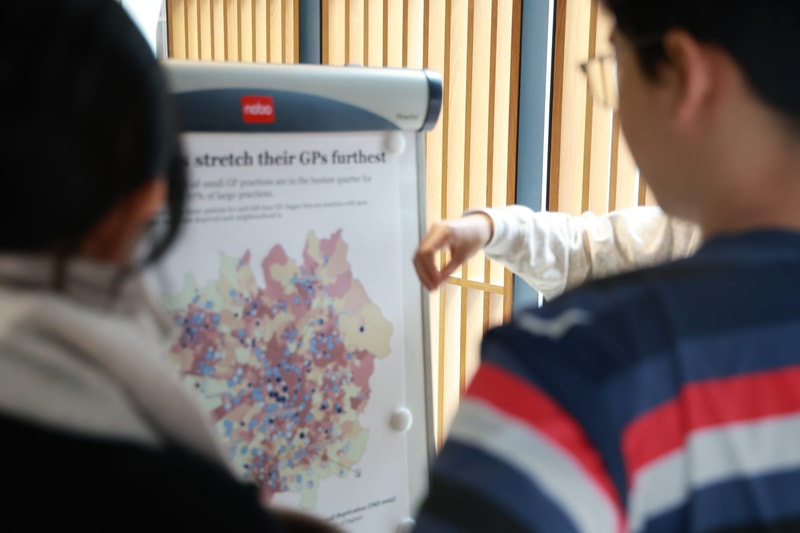
Elsewhere, events approached the Festival theme from different perspectives, asking what generosity looks like when household budgets are stretched and how economic pressures affect education and communities.
As the Festival closes, its conversations remind us that social science does more than study society; it helps people question assumptions and understand the forces shaping everyday life.