
Our research
Research is at the heart of our heritage, our present and our vision for the future. Our discoveries have helped to develop a more sustainable world, from the first stored-program computer to modern economic theory, to understanding the complexity of net zero targets.
We bring the world’s best people together, combining expertise from across disciplines to understand and find new solutions to some of the world’s most pressing problems.
Discover more about our research and discovery goals.
Our teaching
At Manchester, our commitment to social responsibility is at the heart of all we do. Our graduates will have a distinctive education that will prepare them for their futures as leaders and global citizens. We will ensure that our students and graduate represent the widest range of social backgrounds and will develop not only academic and professional skills, but also a sense of environmental, ethical and social responsibility.
Discover more about our teaching and learning goals.
Concordat for the Environmental Sustainability of Research and Innovation Practice
Our university has made a pledge to deliver environmental sustainability in research and innovation practices.
Environmentally sustainable research at Manchester
By embedding sustainability across research and teaching, our research community can drive progress towards a more sustainable and resilient future.
Why environmental sustainability matters in research
Research improves lives, but it also has an environmental impact. Activities such as laboratory work, travel, procurement, energy use and digital storage all contribute to carbon emissions and resource consumption. By adopting more sustainable research practices, we can reduce these impacts while continuing to deliver high-quality research that benefits society.
Why now?
Environmental sustainability is increasingly recognised as a core component of responsible research practice. A number of national initiatives are driving change across the higher education and research sectors, such as:
- the Department for Education's Sustainability and Climate Change Strategy for Education (Department of Education 2023);
- QAA guidance on Education for Sustainable Development (QAA 2023);
- the Concordat for the Environmental Sustainability of Research and Innovation Practice (Wellcome 2024);
- the UK Research and Innovation (UKRI) Environmental Sustainability Strategy 2025–2030.
Many major UK funders now expect applicants to consider environmental sustainability as part of research planning and delivery, and it is expected others will follow.
Together, these developments highlight growing expectations that environmental sustainability should be embedded throughout research, teaching and innovation activities.
Our commitment
The University of Manchester is a signatory to UKRI’s Concordat for the Environmental Sustainability of Research and Innovation Practice, and we are committed to embedding environmental sustainability across our research activities. This aligns with our broader ambitions under From Manchester for the world – our strategy to 2035 – where we’ve identified climate and environmental sustainability as one of our major global challenges. Changes are happening at university level to meet these commitments, but there are some things we can do individually.
What can I do?
As researchers we have an important role to play in advancing environmental sustainability through three core activities.
Through our research we are generating knowledge, innovation and solutions to address global environmental challenges. Our interdisciplinary research helps develop technologies, policies and practices that support climate action, resource efficiency and sustainable development. By integrating environmental considerations into research questions, methodologies and outcomes, we can contribute to positive environmental change locally and globally. Find out more at about our projects, collaborators, Institutes and Centres.
Sustainability is also reflected in how research is conducted. This starts with doing research that is actually needed, focusing on quality to avoid repeating work.
We can reduce the environmental impact of our work by considering factors such as travel, data storage and management, laboratory and equipment use, procurement choices and the responsible use of digital technologies, including AI. Small changes in our research practices can collectively make a significant contribution to reducing the environmental footprint of our research activity.
Download our Environmentally Sustainable Research Lifecycle (Word, 549KB)* for practical sustainability considerations at each stage of a research project. When making decisions throughout the research lifecycle, take a STEP towards more sustainable research practices: Stop, Think, Explore alternatives, Proceed.
*Stages taken from the Research Lifecycle Map
As researchers in higher education, we can also contribute through teaching and student supervision. By applying sustainable principles and embedding sustainability within teaching, mentoring and research training, we can help equip students with the knowledge, skills and critical thinking needed to address environmental challenges in their future careers. In doing so, we can play a key role in shaping the next generation of sustainability-minded graduates.
Start exploring what you can do differently
Download the Researcher’s Guide to Environmentally Sustainable Research (151 KB) to explore practical actions, resources and support across the research lifecycle, including AI and computing, data management, procurement and travel.
Some quick wins to get you started
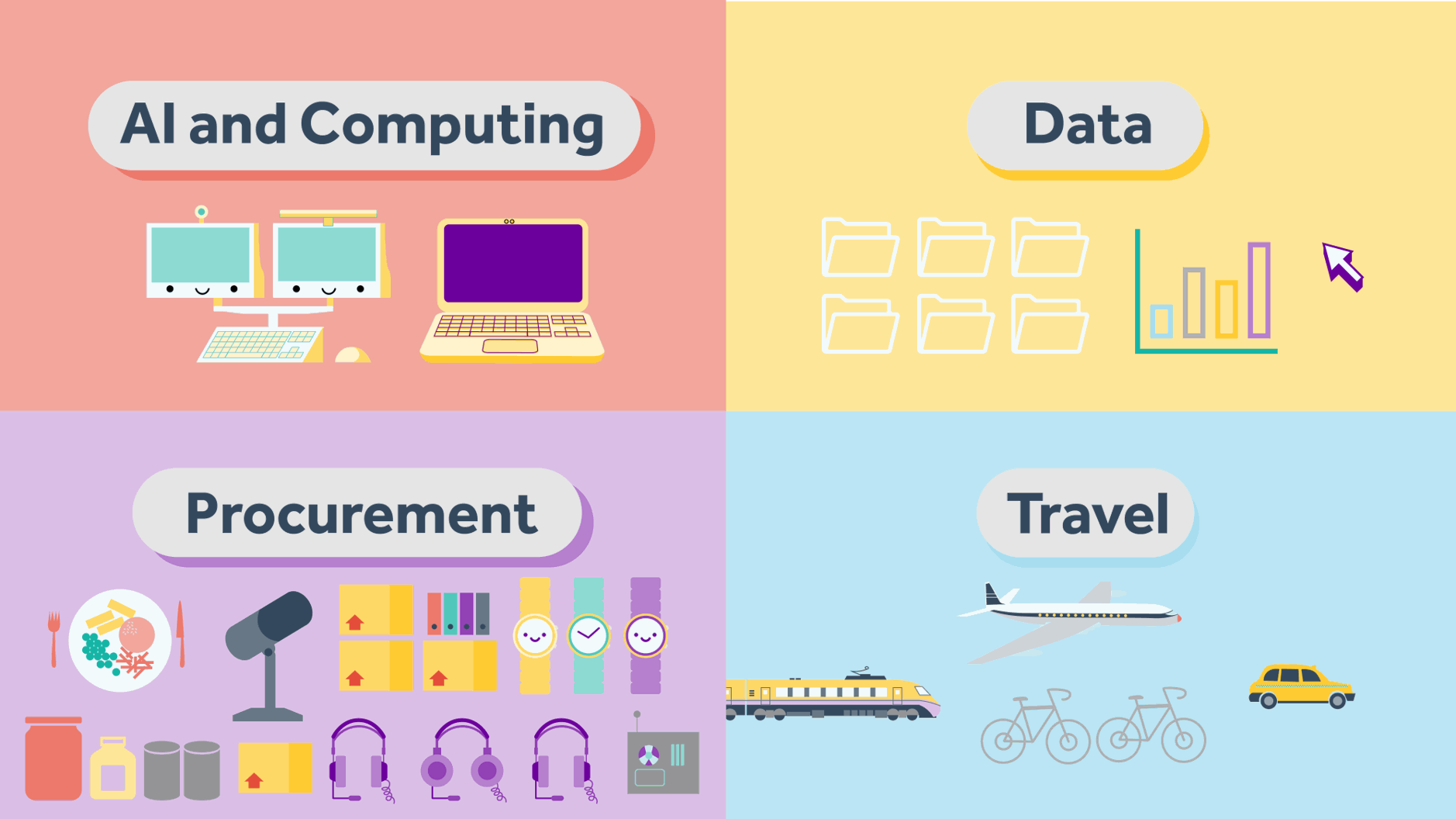
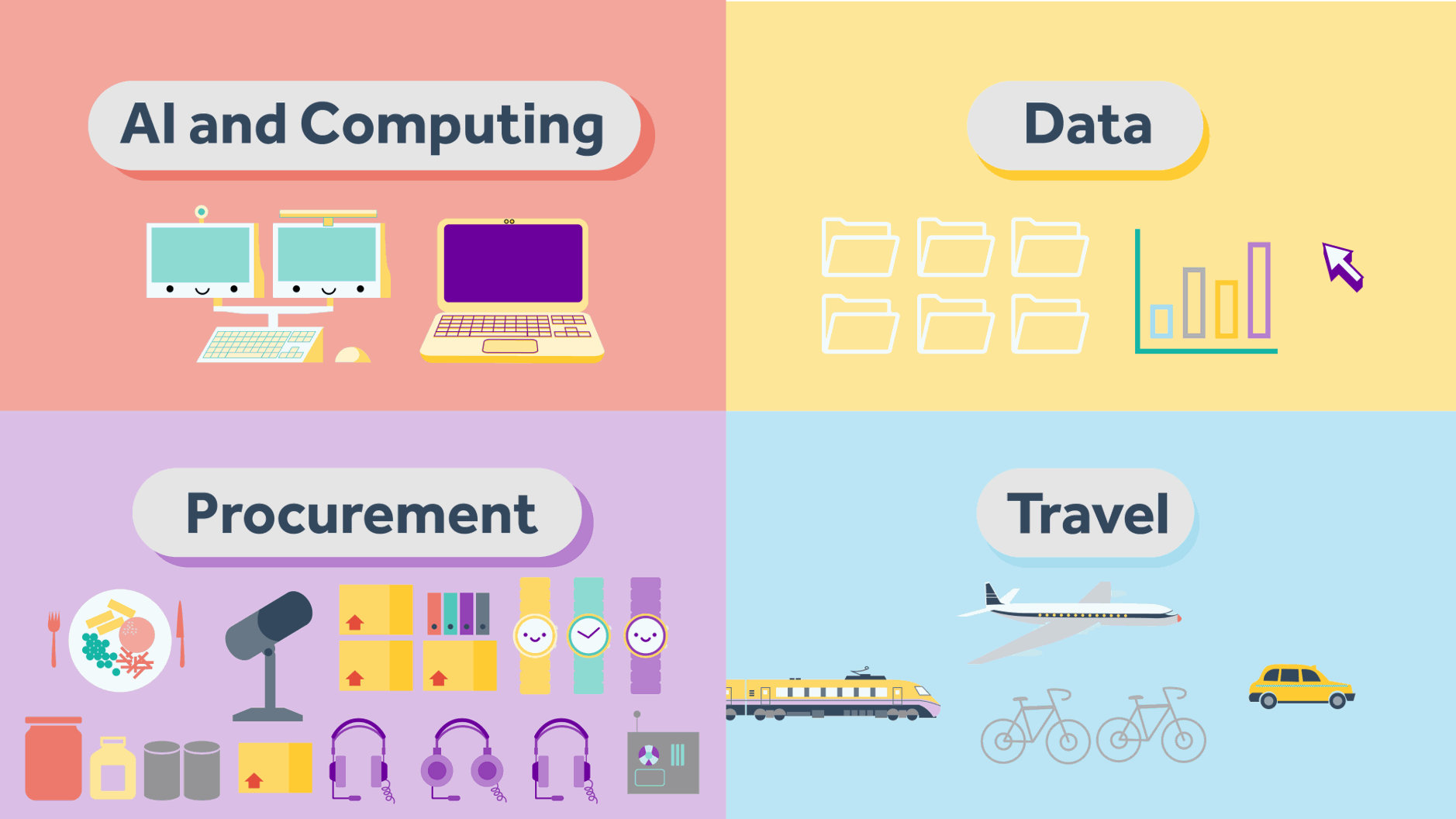
AI and computing
Write focused prompts and reuse useful outputs rather than repeating similar requests.
Data management
Use shared links rather than sending attachments where appropriate.
Procurement and waste
Check whether equipment or materials can be borrowed, shared, repaired or reused before buying new.
Travel
Use remote or hybrid options where they can achieve the same outcome.
About this work
The research underpinning this webpage and accompanying Researcher’s Guide to Environmentally Sustainable Research was funded by The University of Manchester’s Research England Enhancing Research Culture Fund. The content and messaging remain the responsibility of the research team leading the Embedding Sustainable Practices in Non-Laboratory-Based Research project.