Through STAND-Indonesia, The University of Manchester and its partners are showing what it means to take on a global challenge and deliver change that lasts. By combining evidence-based interventions with local community engagement, the programme is building lasting support across the country.
Building mental health care at scale
Organising structured care for people with anxiety and depression in the world’s fourth-most populous country might seem like an impossible task. Although Indonesia provides universal health coverage, mental health services in primary care remain limited and people struggle to access the support they need. Yet a remarkable research programme has achieved exactly that, embedding a system designed to expand Indonesians’ access to care and deliver lasting benefits for years to come.
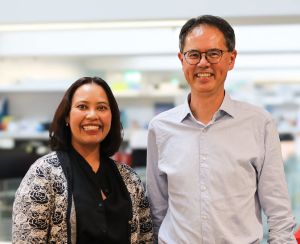
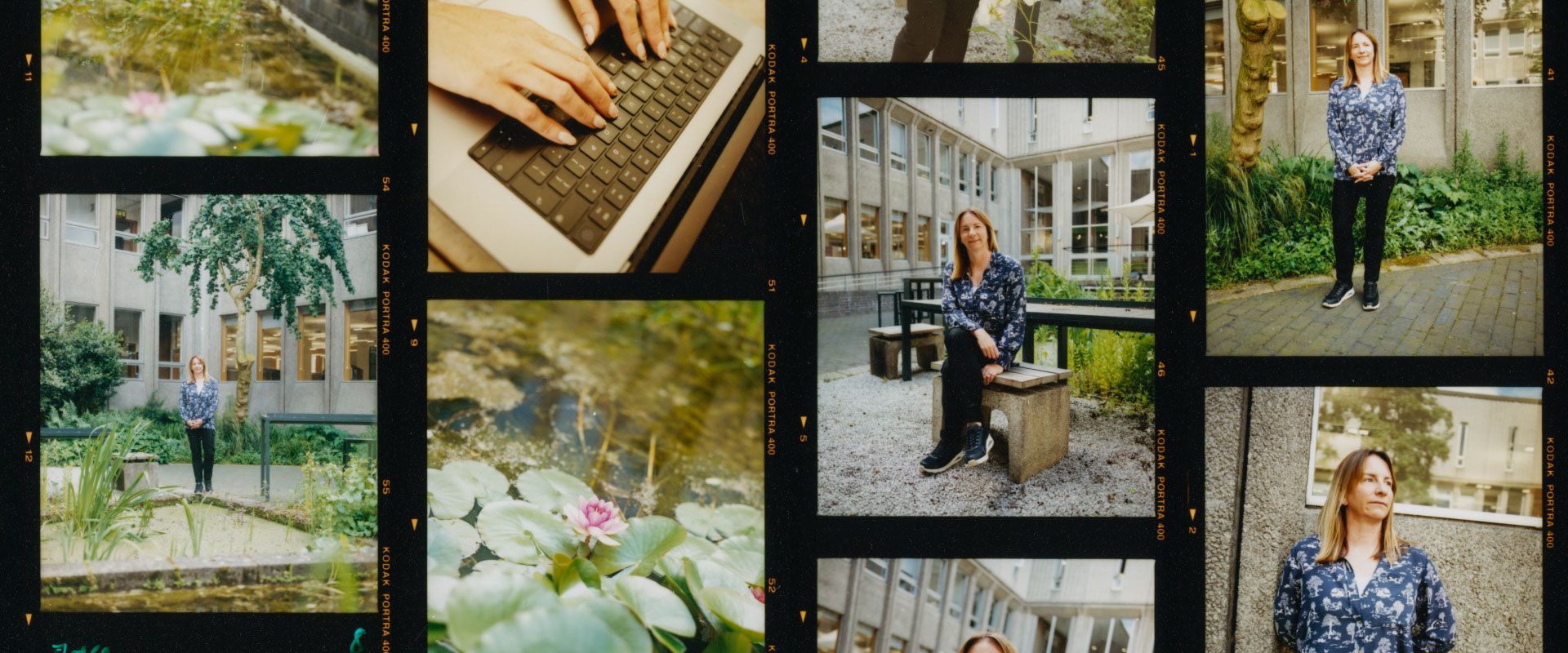
STAND-Indonesia (Sustainable Treatment of Anxiety and Depression in Indonesia) is a collaboration between The University of Manchester and Universitas Indonesia, Indonesia’s National Research and Innovation Agency and community partners across the country. For the past four years, this work has been at the heart of the research led by Professor Penny Bee, Chair in Applied Mental Health Research, Helen Brooks, Professor of Health and Psychosocial Wellbeing, and Professor Herni Susanti from the Faculty of Nursing at Universitas Indonesia.
Funded through the National Institute for Health and Care Research’s Global Health Research Groups call, the programme focuses on anxiety and depression, which together affect an estimated 14 million people in Indonesia but are often left untreated due to limited services, stigma and, quite simply, geography.
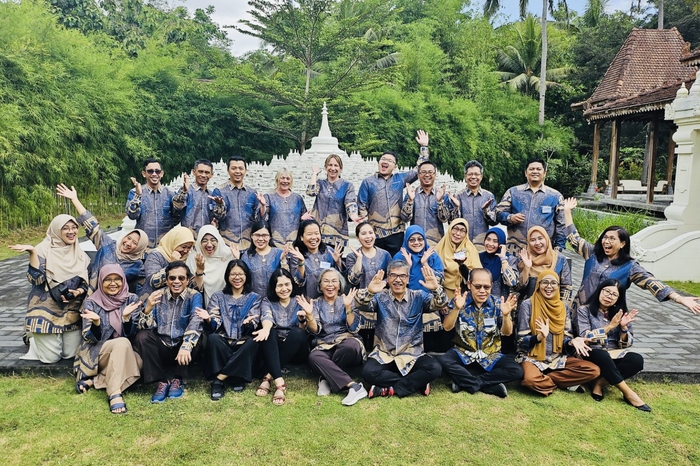
The STAND-Indonesia team
A partnership built on trust
The programme grew from years of collaboration through smaller grants and workshops, beginning with a British Council-funded trip to Jakarta in 2018 where Helen met other early career researchers. For Penny, meanwhile, the programme’s roots lie in Manchester’s long history of developing and delivering psychological therapies, which is where her own specialism lies.
“I’ve been at Manchester for most of my career – 20 years,” Penny says. “I do a lot of work in psychological and low-intensity psychological therapies, which in the UK, Manchester led the field in when it was developed.”
Although hosted by The University of Manchester, STAND-Indonesia was deliberately designed as a collaborative partnership, shaping both its research impact and long-term sustainability, while ensuring financial and intellectual equity. “At least half, if not more, of the funds go to Indonesia,” Penny explains. “A big part of the remit is not just research and implementation but also building research capacity locally.”
The need that STAND-Indonesia responds to is stark. At the time the programme began, Indonesia was developing a national mental health action plan, but services remained focused on severe conditions delivered through overstretched secondary care. According to Penny, there was just one psychiatrist to every 350,000 people. Those experiencing anything from mild to moderate anxiety and depression were receiving no care at all.
STAND-Indonesia addressed this gap by introducing evidence-based, low-intensity psychological interventions, culturally adapted and delivered through local systems, with the impact designed to last far beyond its four-year lifespan.
Reaching communities across Indonesia
STAND’s final workstream focuses on embedding the programme into national policy and practice, with the Indonesian Ministry of Health supporting plans by road mapping future workshops and resource.
Complementing the clinical delivery, STAND-Indonesia has been working at grassroots level to train more mental health practitioners, recruiting trusted members of different communities as “cadres” (a small group of volunteer health workers) and developing a “wraparound ecosystem” for mental health care to help raise awareness.
“Clinically and research-wise, there are people to run the clinics and carry them on – train-the-trainer kind of sustainability work,” Penny says.
Helen praises the people and communities they’re working with for their enthusiasm and passion in challenging circumstances. “They really know how to have fun and bring joy into everything they do – think karaoke on buses travelling between events, dancing at conferences and bonding over a shared love of food."
Working closely with communities has enabled exemplary data collection. One household survey yielded 19,000 responses in a month, as the programme infrastructure is set up to go door to door and embrace Indonesia’s collectivist mentality. This community-led approach resulted in a new national dataset tracking mental health trends, with two waves of results completed in four years. In parallel, some 150 cadres have been upskilled to deliver psychological interventions within their communities, with more in training.
It’s always worth taking the chance if these opportunities come along – you never know what they will lead to.
Research rooted in relationships
As the programme reaches the evaluation stage, the impact becomes especially tangible for Penny and Helen.
“Reading through the evaluation data...particularly where we’ve done interviews with people, that’s when it brings it home,” Penny says. “You’re in touch with the human behind the research."
As STAND-Indonesia draws to a close, Penny and Helen are reflective as they continue with a collaboration that will impact healthcare for the people of Indonesia now and in the future. When asked what advice they would give early career researchers, the two are optimistic, emphasising the importance of collaboration and the sustainability of the work in reality.
“Most of the projects I’ve been involved with have started from small pots of funding that have given me support to develop ideas and build partnerships,” Helen says.
“It’s always worth taking the chance if these opportunities come along – you never know what they will lead to.”
Penny adds: “Even if you do the best research in the world, you need people in the localities who know how to sustain that. Always have one eye on the sustainability and impact of your research and work in a genuine partnership with organisations like the Ministry of Health, the important stakeholders and the communities to truly understand all the different enablers and barriers to make an impact from day one.”
Learn more about how our community is backing the researchers tackling today's most urgent problems.