For Black men, the risk of prostate cancer is twice that of the wider male population. Despite that increased risk, they remain significantly underrepresented in research that shapes how the disease is diagnosed and treated. Manchester researchers are working to change that.
Addressing that inequality is a challenge Manchester is tackling by leading international genomic studies that could help transform diagnosis and treatment worldwide. For men diagnosed with prostate cancer – and for the families supporting them – that could mean earlier diagnosis, more personalised treatment and better outcomes.
Prostate cancer is the most diagnosed cancer in men in the UK, with more than 64,000 cases each year. Despite major advances, inequalities remain in who benefits from research and improved care.
A significant, global problem stems from DNA. Black men face a higher risk of prostate cancer, with a staggering one in four expected to be diagnosed, compared with one in eight men from other ethnic backgrounds. Yet they remain underrepresented in genomic and biological research.
Through genomic research and global partnerships, the Manchester Cancer Research Centre (MCRC) is investigating why prostate cancer can be more aggressive in some men and how the treatment can be improved.
Dr Aliah Hawari, a Computational Biologist at the MCRC, explains that previous studies have included very small numbers of Black male participants. In one cohort of 1,000 patients, only 21 were Black men, yet their tumours were most likely to follow the most aggressive pathways.
Underrepresentation of ethnic groups limits our understanding of this global challenge. In response, Manchester researchers are studying the genetic and environmental factors that drive prostate cancer in diverse populations, including Black men.
Closing the research gap
With each tumour analysed, researchers gain a clearer understanding of why prostate cancer can behave differently from person to person. That knowledge could help future patients receive more personalised care.
Early-career researchers such as Dr Hawari play a central role in this work by analysing tumour genomes and engaging with patients, carers and African-Caribbean communities. These conversations are incredibly important – helping researchers understand people’s lived experiences of diagnosis and treatment.
Dr Hawari says: “It has shaped my research by reminding me that the ultimate goal is to generate findings that are meaningful and beneficial to the people most affected by the disease.”
Leading global genomic research
The role of genomics allows researchers to closely study the DNA changes that drive cancer. With each identified genetic alteration and new insight into how tumours evolve, science gets closer to recognising the cancers that will behave more aggressively and the treatments that may be most effective. To advance this work, Manchester, in collaboration with the University of Nairobi, has launched an international programme investigating how prostate cancer evolves in men of African heritage, led by David Wedge, Professor of Cancer Genomics and Data Science at the MCRC.
The need for this research is incredibly clear in Kenya, where prostate cancer is one of the most common cancers among men. Professor Wedge’s team have partnered with researchers in Kenya to sequence tumour DNA and identify genetic changes that influence how the disease develops and responds to treatment.
Comparisons of tumour samples from the UK, Africa and beyond have uncovered distinct patterns of mutation that may help to explain why prostate cancer can be more aggressive in some groups than others.
The study was the first of its kind focused on African men and has built a critical evidence base for improving prostate cancer prevention, detection and treatment.
Uncovering what was once unrecognised
Large-scale genomic analysis has identified previously unrecognised forms of prostate cancer that evolve in different ways. Some are linked to more aggressive forms of the disease, helping to explain the distinctive outcomes found in Black men.
Professor Wedge and his team’s research show that the disease does not follow a single pathway, but several evolutionary routes shaped by inherited genetics and environmental exposure.
The ultimate goal is to generate findings that are meaningful and beneficial to the people most affected by the disease.
Building global partnerships
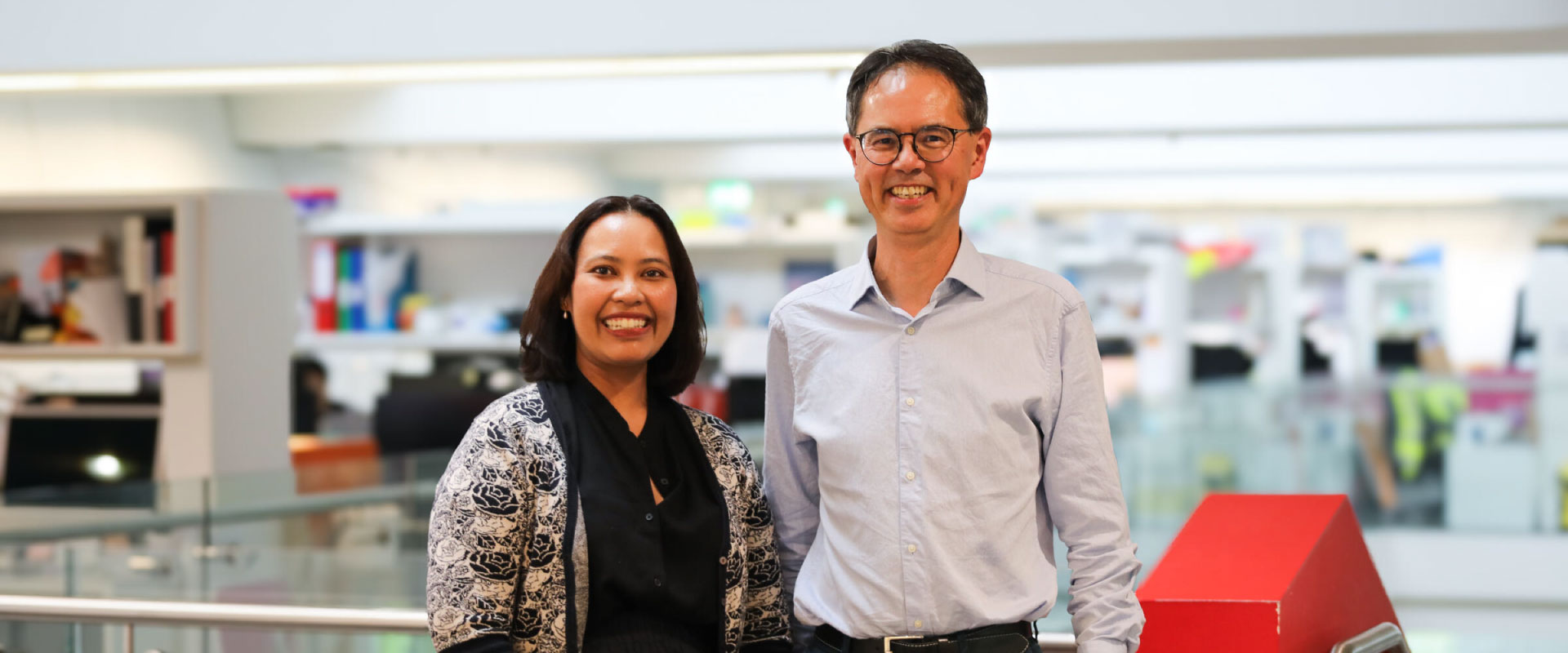
Manchester researchers have secured £500,000 from Prostate Cancer Research for a new study, Prostate Cancer Evotypes in African-Caribbean Men, enabling the team to expand international collaborations and investigate long-standing gaps in prostate cancer research. The project will compare tumour genetics and environmental influences to understand how these factors determine disease risk and progression. Working with Professor Wedge are Dr Ashwin Sachdeva and Dr Hawari, who both share crucial insights into the project and what it means for the future. They are partnering with researchers in Mona, Jamaica through the University of the West Indies, focusing specifically on men of Caribbean descent to address long-standing gaps in research.
Dr Hawari describes the work as both scientifically important and personally meaningful, highlighting the value of combining frontline genomics with community engagement. “Working with patients and communities has made the research especially rewarding because it reinforces the potential for our findings to make a real difference,” Dr Hawari explains.
“In cancer research, [global partnerships] are essential for answering complex questions that no single group could address alone."
By bringing together patients, communities and researchers across three continents, Manchester’s global partnerships are helping ensure that future advances in prostate cancer benefit everyone.
Every new tumour sequenced brings researchers closer to more equitable cancer care. Visit research with purpose to learn more.